
Understanding Anxiety: A Complete Guide for Beginners
Anxiety affects millions of people worldwide. This comprehensive guide explains what anxiety is, its causes, symptoms, and evidence-based treatment options available today.

Medical Disclaimer
This article is for informational purposes only and does not constitute medical advice. Always consult a licensed healthcare professional for diagnosis and treatment of any mental health condition. If you are in crisis, call 988 (Suicide & Crisis Lifeline) or go to your nearest emergency room.
What Is Anxiety?
Anxiety is your body's natural response to stress — a feeling of fear or apprehension about what's to come. It's completely normal to feel anxious before a job interview, a first date, or a big presentation. But when anxiety becomes persistent, overwhelming, and interferes with your daily life, it may be an anxiety disorder.
According to the World Health Organization, anxiety disorders are the most common mental health conditions globally, affecting approximately 264 million people. Despite this, many go untreated due to stigma, lack of access to care, or simply not recognizing the symptoms.
Key Statistic
Anxiety disorders affect 18.1% of adults in the United States every year, yet only 36.9% of those suffering receive treatment. — ADAA, 2024
Common Types of Anxiety Disorders
Anxiety isn't one-size-fits-all. There are several distinct anxiety disorders, each with unique characteristics:
| Symptom Category | Mild Anxiety | Moderate Anxiety | Severe Anxiety |
|---|---|---|---|
| Physical | Occasional tension, mild restlessness | Frequent headaches, muscle pain, fatigue | Panic attacks, chest pain, severe trembling |
| Emotional | Slight worry, manageable nervousness | Persistent worry, irritability | Overwhelming dread, intense fear |
| Cognitive | Temporary focus issues | Difficulty concentrating, racing thoughts | Inability to focus, catastrophic thinking |
| Daily Impact | Minimal interference | Some activities affected | Significant functional impairment |
Generalized Anxiety Disorder (GAD)
GAD involves persistent, excessive worry about a variety of everyday situations. People with GAD often find it difficult to control their worry — health, finances, work, family — without a specific trigger.
Try with Dzeny AI
Ask Dzeny to help you identify your GAD triggers and create a personalized worry management plan. Our AI therapist uses evidence-based CBT techniques.
Start Free SessionSocial Anxiety Disorder
Social anxiety disorder involves intense fear of social situations where you might be judged or embarrassed. This goes far beyond shyness — it can prevent people from participating in everyday activities and advancing in their careers.
Panic Disorder
Panic disorder is characterized by recurrent, unexpected panic attacks — sudden surges of intense fear that reach a peak within minutes. Physical symptoms can include heart palpitations, shortness of breath, dizziness, and a feeling of losing control.
Symptoms and Warning Signs
Anxiety manifests in physical, emotional, and behavioral ways:
- Physical: Rapid heartbeat, sweating, trembling, shortness of breath, fatigue, headaches
- Emotional: Persistent worry, irritability, difficulty concentrating, feeling on edge
- Behavioral: Avoiding situations that trigger anxiety, procrastination, social withdrawal
AI-Powered Insight
Studies show that 73% of users report reduced anxiety symptoms after 7 days of daily AI therapy sessions. Personalized CBT-based support adapts to your specific anxiety patterns and triggers.
Evidence-Based Treatments
The good news: anxiety is one of the most treatable mental health conditions. Research-backed options include:
- Cognitive Behavioral Therapy (CBT): The gold standard for anxiety treatment, helping you identify and change negative thought patterns
- Exposure Therapy: Gradually confronting feared situations to reduce avoidance
- Medication: SSRIs, SNRIs may be prescribed by your doctor
- Mindfulness-Based Stress Reduction (MBSR): Reduces anxiety through present-moment awareness
Try with Dzeny AI
Ready to try CBT-based anxiety relief? Ask Dzeny to walk you through a cognitive restructuring exercise — identifying and reframing anxious thoughts in real time.
Start Free SessionHow AI Can Support Your Mental Health Journey
While AI therapy isn't a replacement for professional treatment in severe cases, it can be a powerful complement — or a starting point for those who can't access traditional care. Apps like Dzeny offer:
- 24/7 availability — support when you need it most, not just during office hours
- Evidence-based CBT techniques guided by AI
- Mood tracking to identify patterns and triggers
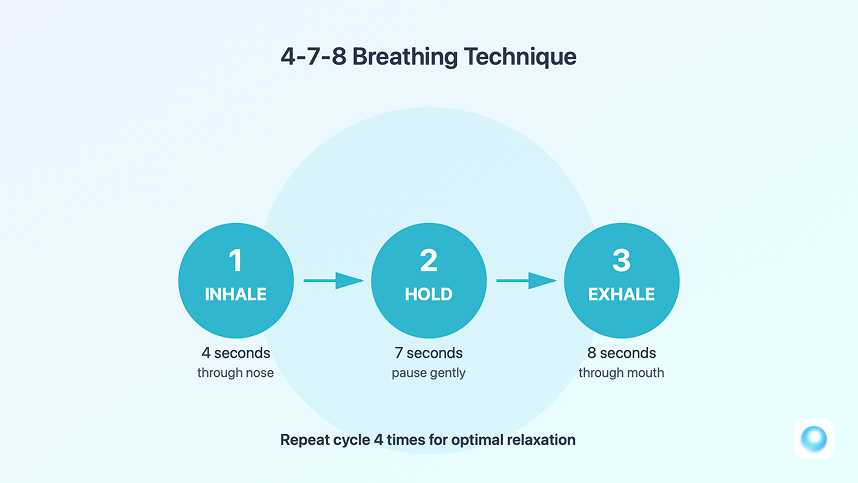
- Breathing exercises and grounding techniques for acute anxiety
- A judgment-free space to express thoughts and feelings
Conclusion
Anxiety is incredibly common, but it's not something you have to live with untreated. Whether you pursue traditional therapy, medication, self-help techniques, or AI-assisted tools, help is available. The most important step is the first one: acknowledging that you deserve support.
References
- 1.ADAA. Anxiety and Depression Association of America (2024)
- 2.Hofmann, S.G.. Cognitive Behavioral Therapy for Anxiety (2023)
- 3.WHO. Global prevalence of anxiety disorders (2022)
Frequently Asked Questions

Written by
Dr. Sarah Chen
Ph.D., Licensed Clinical Psychologist
Cognitive Behavioral Therapy & Digital Mental Health
Dr. Sarah Johnson earned her Ph.D. in Clinical Psychology from Stanford University in 2012, specializing in anxiety disorders and cognitive behavioral interventions. Her doctoral research focused on the efficacy of digital mental health tools in treating generalized anxiety disorder, positioning her at the forefront of the digital mental health revolution. Throughout her career, Dr. Johnson has treated over 1,000 clients struggling with anxiety, depression, and trauma-related conditions. She is passionate about making mental health care more accessible through technology while maintaining the highest standards of clinical practice. Her therapeutic approach combines evidence-based cognitive behavioral therapy (CBT) with mindfulness-based interventions, creating personalized treatment plans that address both immediate symptoms and long-term wellness goals. Dr. Johnson believes in empowering clients with practical tools and strategies they can use in their daily lives. As a content contributor to Dzeny, Dr. Johnson applies her clinical expertise to create evidence-based, actionable mental health guidance. Her articles demystify complex psychological concepts and provide readers with scientifically-supported strategies for managing anxiety, stress, and emotional challenges.