


The Fawn Response: When Keeping the Peace Becomes a Survival Strategy
Fight, flight, freeze — and the fourth one that looks like being nice.
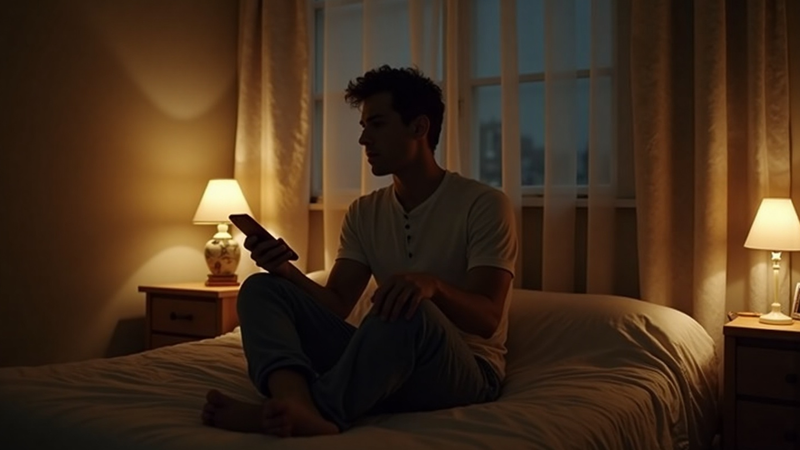
The Night Belongs to Me: Understanding Revenge Bedtime Procrastination
It is not discipline. Staying up late is often the only hour of the day that belongs to you.

When Your Chest Hurts and You're Not Sure Why: Anxiety, the Body, and What to Do Next
Tightness, pressure, a skipped beat. What anxiety does to the chest — and when it must be checked by a doctor.

Why Your Mind Goes Blank in Exams — and What Actually Helps
You knew it an hour ago. Why evaluation empties working memory — and what actually restores recall.

When Your Nervous System Won't Stand Down: Understanding Hypervigilance
Not paranoia, not overreacting — a nervous system that never received the all-clear. How hypervigilance works and what calms it.

When Nothing Feels Good: Understanding Anhedonia and What You Can Do About It
Not sadness — flatness. What anhedonia is, why pleasure switches off, and how it comes back in small steps.

How the Nervous System Regulates Itself and What Gets in the Way
What the phrase actually means, why you can't think your way out of a body state, and which of the popular techniques hold up.
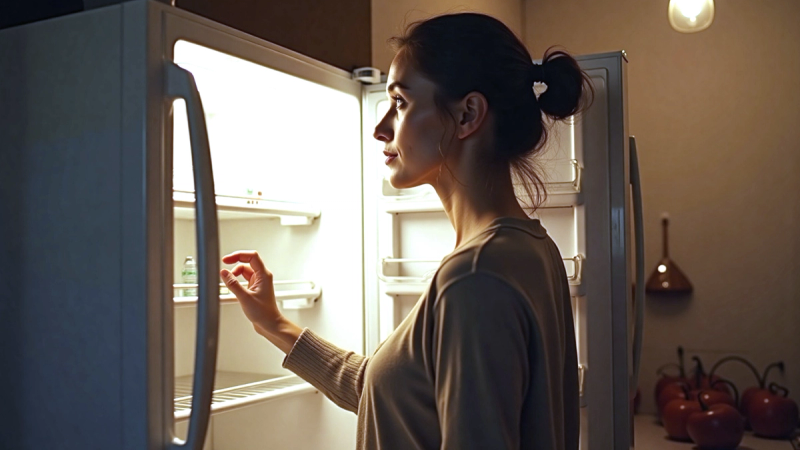
Decision Fatigue: Why Your Brain Gives Up Before Bedtime
Why your choices get worse as the day goes on, and why it shows up first in the smallest ones.

High Functioning Depression: When Keeping It Together Is the Problem
You meet every deadline, nobody suspects a thing, and something is still wrong. Why functioning is not the same as being well.

Why Your Mind Serves Up Disturbing Thoughts — And What You Can Do About It
Why the mind produces thoughts that horrify you, why fighting them makes them louder, and what actually quiets them down.

Childhood Emotional Neglect: When Nothing Happened and Something Is Still Wrong
Nobody drank, nobody hit anyone, and there is still a persistent adult sense that something is off. What emotional neglect is, how it shows up later, and what can be done.

You Took the ACE Test. Now What?
You have a number. This is the part almost nobody writes about: what to actually do with it in the days and weeks that follow.

Somatic Therapy: What Actually Happens, and What the Evidence Supports
Somatic therapy works with the body rather than the story. What actually happens in a session, which conditions it helps, where the evidence is strong and where it is thin, and how to tell a trained practitioner from someone improvising.

Is It Seasonal Affective Disorder, or Just a Hard Autumn?
Seasonal affective disorder starts earlier than most people notice — late August, not December. The symptoms that separate it from ordinary autumn tiredness, why light matters more than willpower, and what has evidence behind it.

When People Talk About a "Nervous Breakdown": What It Actually Means and What to Do About It
A nervous breakdown is not a diagnosis. Here are the signs that show up in the weeks before, and what recovery actually involves.

Social Anxiety Symptoms: What It Actually Looks Like When You're Living With It
Social anxiety is not shyness and not introversion. Here is what it actually looks like, the loop that keeps it going, and what helps.

Grounding Techniques for Anxiety: What Actually Happens in Your Nervous System (and What the Research Says)
Grounding is not a distraction trick. Here is what it does to the nervous system, which techniques hold up, and when it is the wrong tool.

ADHD in Adults: What It Actually Looks Like, Why It Gets Missed, and How to Find Out
Adult ADHD rarely looks like the stereotype. Here is what the symptoms actually are, what mimics them, and how assessment works.

Three habits that quietly keep anxiety alive
Anxiety is often kept alive by three ordinary habits that feel like coping: checking, avoiding and seeking reassurance. Here is how each one works and what to do instead.

Why we get stuck in anxious thoughts
Worry that circles the same ground is not thinking. Why the loop runs, what keeps it going, and how to put it down unfinished.
Weekly AI Wellness Insights
Get personalized mental health tips powered by AI. From mindfulness practices to emotional regulation techniques—let our intelligent system guide your wellness journey.
We respect your privacy. Unsubscribe anytime.