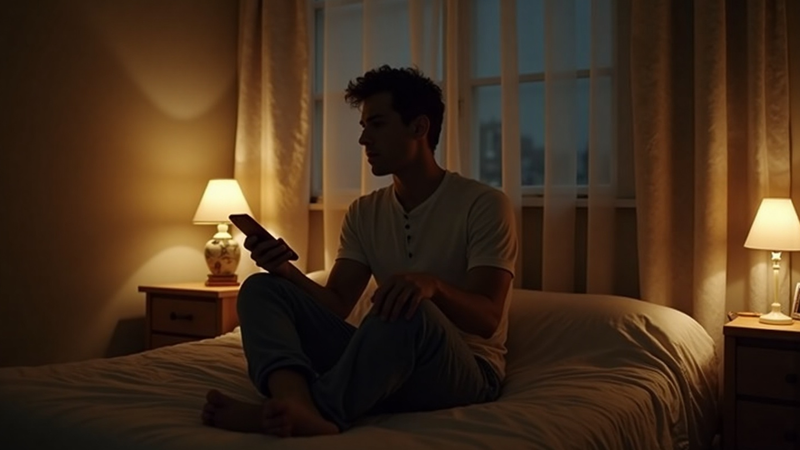

Can Anxiety Cause Hair Loss? Science, Symptoms & Best Treatments
Anxiety can cause hair loss through telogen effluvium — cortisol pushes follicles into a resting phase, shedding starts 2-3 months later. Learn the science, signs, and best treatments.

In this article
Can Anxiety Cause Hair Loss? The Direct Answer
Yes. Anxiety can contribute to Hair loss, and the connection is supported by a growing body of scientific research. Persistent Psychological stress and Chronic stress can disrupt the normal Hair growth cycle, pushing an unusually large number of Hair follicles into a resting phase. The result is a condition called Telogen effluvium, the most common form of stress-related hair shedding. Although the amount of hair loss can be alarming, most anxiety-related cases are temporary and improve once the underlying stress response is brought under control.
Key Takeaways
Disclaimer
This article is for educational purposes only and does not constitute professional medical, dermatological, or psychological advice, diagnosis, or treatment. The information presented is evidence-informed but is not a substitute for assessment by a licensed clinician. If anxiety-related hair loss is significantly affecting wellbeing, consultation with a dermatologist or qualified clinician is recommended.
How Common Is Hair Loss Due to Stress and Anxiety?
Hair loss associated with Anxiety and Chronic stress is more common than many people realize. Up to half of all men and women experience significant hair loss at some point in life, and Telogen effluvium is one of the most frequently overlooked causes. Women appear to be particularly vulnerable during periods of prolonged stress, while many patients only recognize the connection because hair shedding begins 2-3 months after the original stressful event, long after the trigger has passed.
How Does Anxiety Actually Cause Hair Loss? The Biological Mechanism
The connection between Anxiety and Hair loss is not simply emotional - it is biological. When the body remains in a prolonged state of Psychological stress, it produces elevated levels of Cortisol, the primary stress hormone. Over time, excess cortisol disrupts the normal Hair growth cycle, preventing Hair follicles from functioning as they normally would. Understanding this mechanism can help reduce self-blame by showing that anxiety-related hair loss is a measurable physiological response rather than a personal failure.
What Happens to Hair Follicles Under Stress - And the Cortisol Connection
When Chronic stress persists, the adrenal glands continuously release Cortisol. Researchers at the Harvard Stem Cell Institute, publishing in Nature, found that elevated stress hormones keep hair follicle stem cells in a dormant state by suppressing a signaling molecule called Gas6. Think of Gas6 as the follicle's "molecular alarm clock" - under healthy conditions it wakes dormant stem cells and starts a new growth cycle. When cortisol suppresses this signal, the stem cells remain asleep, delaying new hair growth. This also explains why topical scalp treatments alone cannot fully address anxiety-related hair loss if the underlying stress response remains active.
The Hair Growth Cycle Disrupted: Why Shedding Starts Months Later
A healthy Hair growth cycle includes three phases: the anagen phase (active growth), catagen (transition), and the telogen (resting) phase. During severe or prolonged stress, too many Hair follicles enter the telogen phase at the same time. Approximately 2-3 months later, those resting hairs begin to shed simultaneously, producing the diffuse thinning characteristic of Telogen effluvium. While losing around 100 hairs per day is considered normal, people with telogen effluvium may notice 300 or more hairs falling out daily, making the connection with an earlier stressful event easy to miss.
Can Anxiety Also Cause Premature Hair Graying?
Stress affects hair biology in more than one way. While anxiety-related Hair loss is largely driven by Cortisol and dormant Hair follicles, premature graying follows a different pathway. Research suggests that intense Psychological stress activates the sympathetic nervous system, depleting pigment-producing melanocyte stem cells. Importantly, this is not the same mechanism responsible for Telogen effluvium. In stress-related hair shedding, the follicle stem cells usually remain alive but inactive, which is why hair regrowth is possible once the stress response is reduced.
When Stress Is Behind the Shedding, Dzeny Can Help
Anxiety-related hair loss often starts with a stress response that never fully switches off. Dzeny offers a private, judgment-free space to process the worry, calm the nervous system, and work through what's keeping you on edge — 24/7, with no waiting and no pressure.
Start a Free Conversation with DzenyTypes of Hair Loss Caused by Anxiety and Stress
Not all stress-related hair loss looks the same. Anxiety can contribute to several different conditions, each with its own biological mechanism, pattern of hair loss, and treatment approach. Identifying which type best matches your symptoms is one of the most important steps toward choosing the right treatment.
Telogen Effluvium - The Most Common Anxiety-Related Hair Loss
Telogen effluvium is by far the most common form of Hair loss linked to Chronic stress and anxiety. Instead of affecting isolated areas, it causes diffuse thinning across the scalp, often most noticeable at the crown or along the part line. Many people first notice large amounts of hair collecting in the shower drain, a thinner ponytail, or increased scalp visibility. Acute telogen effluvium usually resolves within 3-6 months once the underlying stress improves, while chronic cases lasting longer than six months are more common among women aged 30-60. Although the amount of shedding can be frightening, it generally means the Hair follicles remain healthy and capable of producing new hair.
What Else Can Trigger Telogen Effluvium? Other Causes to Rule Out
Although Psychological stress is a major trigger, Telogen effluvium has many possible causes. A comprehensive medical evaluation helps determine whether anxiety is the primary factor or whether another condition is contributing.
Common triggers of Telogen Effluvium besides anxiety:
- Childbirth and postpartum hormonal changes.
- Perimenopause and menopause.
- Major surgery or serious illness.
- High fever or severe infection.
- Rapid weight loss.
- Certain medications, including some antidepressants, beta-blockers, and oral contraceptives.
- Thyroid disorders.
- Iron deficiency and other nutritional deficiencies.
Because several of these conditions are treatable, identifying the correct trigger is essential before assuming anxiety is the only cause.
Alopecia Areata, Trichotillomania, and Anxiety
Not all anxiety-related hair loss is Telogen effluvium. Alopecia areata is an autoimmune condition that causes smooth, round patches of hair loss. While Psychological stress may act as a trigger in some individuals, it is not the underlying cause of the disease. Trichotillomania, by contrast, is a mental health condition in which people repeatedly pull out their own hair as a way of coping with anxiety or emotional distress. As a body-focused repetitive behavior (BFRB), trichotillomania is highly treatable, particularly with Cognitive Behavioral Therapy (CBT) and Habit Reversal Training, and should always be approached with compassion rather than judgment.
Can Anxiety Cause Hair Loss in Women Specifically?
Yes. Women appear to be particularly vulnerable to anxiety-related Hair loss, especially when Chronic stress overlaps with hormonal changes such as pregnancy, postpartum hair loss, perimenopause, menopause, or thyroid disorders. Women between the ages of 30 and 60 are at increased risk of developing chronic Telogen effluvium. In addition to the biological effects of anxiety, many women experience significant emotional distress because cultural expectations often place considerable importance on hair appearance, making even temporary hair shedding feel especially overwhelming.
How Do I Know If My Hair Loss Is from Anxiety?
Because several conditions can cause Hair loss, it is not always obvious whether anxiety is responsible. The timing of hair shedding, the pattern of hair loss, associated anxiety symptoms, and a professional evaluation by a Dermatologist all help distinguish Telogen effluvium from other forms of hair loss. This section is designed as a practical guide for self-assessment, not as a substitute for medical diagnosis.
What Anxiety-Related Hair Loss Looks and Feels Like - And How Long It Takes to Appear
The hallmark of anxiety-related Telogen effluvium is diffuse thinning rather than bald patches. Many people notice significantly more hair in the shower drain, on their pillow, or in their hairbrush. A ponytail may feel noticeably thinner, and the scalp may become more visible around the crown or part line. Unlike genetic hair loss, symptoms usually begin 2-3 months after a period of intense stress because the disrupted Hair growth cycle takes time to produce visible shedding.
Normal daily shedding is approximately 100 hairs, but Telogen effluvium may result in 300 or more hairs falling out each day. Some people also report mild scalp sensitivity or increased awareness of the scalp, although severe pain is uncommon.
Signs your hair loss may be anxiety-related:
- Diffuse thinning rather than isolated bald patches.
- Hair shedding began 2-3 months after a stressful event.
- Noticeably more hair in the shower, brush, or on clothing.
- A thinner ponytail or increased scalp visibility.
- No obvious scarring or inflammation of the scalp.
- Anxiety, insomnia, or another period of significant Psychological stress occurred before the shedding began.
A simple at-home screening method is the hair pull test. Gently grasp about 60 hairs close to the scalp and apply light traction. If more than six hairs come away easily, it may suggest excessive shedding and warrants further evaluation by a Dermatologist.
Does Anxiety-Related Hair Loss Grow Back?
For most people, the answer is yes. Anxiety-related Hair loss, particularly Telogen effluvium, is usually reversible because the Hair follicles remain alive. The key to recovery is addressing the underlying Anxiety and Chronic stress that disrupted the Hair growth cycle in the first place. While regrowth takes time, most people begin to see improvement once the stress response is reduced and the follicles return to their normal growth cycle.
Acute Cases Are Reversible - And the Cycle That Can Prevent Regrowth
Most cases of acute Telogen effluvium improve within 3-6 months after the triggering stress has resolved. Early signs of recovery often include fine new hairs appearing along the hairline or part. However, some people become trapped in the stress hair loss cycle: anxiety leads to elevated Cortisol, increased shedding causes more anxiety about hair loss, anxiety disrupts sleep, sleep disruption raises cortisol further, and persistently high cortisol delays recovery. In some cases, this escalating worry can build into acute anxiety or even a panic attack. Women aged 30-60 are more likely to develop chronic telogen effluvium when this cycle continues for longer than six months.
Break the Stress-Shedding Cycle Before It Takes Root
The hardest part of anxiety-related hair loss is often the loop: worry raises cortisol, shedding fuels more worry, and lost sleep keeps it all running. Dzeny gives you a calm, private space to interrupt that cycle — to talk through the fear, steady your nervous system, and give your follicles the chance to recover.
Talk It Through with DzenyBest Treatment for Anxiety-Related Hair Loss
The most effective approach treats both the cause and the symptom. Reducing Anxiety without supporting the Hair follicles may slow recovery, while focusing only on hair-growth treatments without managing Chronic stress leaves the biological trigger in place. A combined strategy offers the best chance of restoring both emotional wellbeing and healthy hair growth.
Treating the Root Cause - Anxiety Management Strategies
Lowering stress helps reduce Cortisol and allows the Hair growth cycle to recover naturally. Evidence-based approaches include:
- Cognitive Behavioral Therapy (CBT) with a licensed therapist.
- Mindfulness-Based Stress Reduction (MBSR).
- Regular aerobic exercise.
- Good sleep hygiene and consistent sleep schedules.
- Nutritional support that promotes overall health and helps regulate the body's stress response.
Support groups may also be valuable, while decisions about medication for anxiety should always be made with a qualified healthcare professional.
Medical, Topical, and Lifestyle Treatments for Hair Regrowth
A Dermatologist can determine whether additional treatment is appropriate. Depending on the cause of hair loss, options may include minoxidil, PRP (platelet-rich plasma) therapy, or treatment of underlying conditions such as iron deficiency, thyroid disease, or other nutritional deficiencies. Lifestyle measures also support recovery:
- Eat adequate protein, iron, zinc, vitamin D, and other essential nutrients.
- Aim for 7-9 hours of sleep each night.
- Complete at least 150 minutes of moderate aerobic exercise per week.
- Avoid harsh hairstyles and excessive heat styling while hair is recovering.
- Follow up with a Dermatologist if shedding lasts longer than 3 months or is accompanied by fatigue, weight changes, or other concerning symptoms.
In many cases of acute Telogen effluvium, the combination of time, anxiety management, and healthy hair care is enough for normal hair growth to return.
If you are not sure whether this is ordinary stress or something more persistent, the Free Anxiety Test is a quick place to start.
Can Depression and Anxiety Cause Hair Loss? The Broader Mental Health Connection
Yes. Anxiety and Depression often occur together, and both can contribute to Hair loss by increasing Psychological stress, disrupting sleep, and prolonging activation of the body's stress response. This combination makes Telogen effluvium more likely and can slow recovery by keeping Cortisol levels elevated. Hair loss also has a powerful emotional impact. Many people experience lower self-esteem, social withdrawal, and increased anxiety as their appearance changes. For some, worry about their health and appearance can tip into health anxiety. Research shows that people living with significant hair loss have higher rates of anxiety disorders, major depressive disorder, and social anxiety than the general population. The relationship is therefore bidirectional: anxiety and depression can contribute to hair loss, while hair loss itself can worsen mental health.
For many individuals, concerns about thinning hair become part of a self-perpetuating cycle. Someone who begins shedding after a stressful period may become increasingly worried about going bald, avoid social situations, spend hours examining their scalp, or feel less confident at work and in relationships. These reactions are understandable, but they can maintain the very stress response that interferes with healthy hair growth. Because of this, the most effective treatment often combines care from both a Dermatologist and a mental health professional. Addressing the biological causes of hair loss while reducing Psychological stress through approaches such as Cognitive Behavioral Therapy (CBT) gives people the best opportunity for both emotional recovery and healthy hair regrowth.
Disclaimer
The information in this article is for general informational purposes only and does not constitute medical, dermatological, or psychological advice. Hair loss can have multiple underlying causes. If you are experiencing significant or persistent hair loss, please consult a licensed dermatologist or healthcare provider. If anxiety or stress is affecting your daily life, speaking with a qualified mental health professional is recommended.
You Don't Have to Face Hair Loss and Anxiety Alone
Watching your hair change while stress runs high can feel isolating. Understanding how the cycle works is the first step out of it. Dzeny offers a private, supportive space to work through the worry, ease the stress response, and give both your mind and your hair room to recover.
Start a Conversation with DzenyReferences
- 1.Mayo Clinic. Hair Loss Overview (2025)
- 2.StatPearls (NCBI Bookshelf). Telogen Effluvium (2023)
- 3.Choi, S., et al. (Nature). Stress, Cortisol, and Hair Follicle Stem Cell Quiescence (2021)
- 4.American Academy of Dermatology (AAD). Can Stress Cause Hair Loss? (2025)
- 5.National Institute of Arthritis and Musculoskeletal and Skin Diseases (NIAMS). Alopecia Areata (2025)
- 6.Mayo Clinic. Trichotillomania (Hair-Pulling Disorder) (2025)
- 7.National Institute of Mental Health (NIMH). Anxiety Disorders (2025)
- 8.Harvard Medical School. Psychodermatology: The Mind-Skin Connection (2025)
Frequently Asked Questions

Written by
Valentina Lipskaya
Clinical Psychologist · Gestalt Therapist · CBT Specialist · ICF Certified Coach · MBA Professor
Panic Disorder, Anxiety, CBT & Gestalt Therapy
Valentina Lipskaya is a certified clinical psychologist and gestalt therapist specializing in panic disorders, anxiety, and neurological conditions. With over 15 years in psychology and 7 years of hands-on clinical practice, she has helped more than 750+ clients overcome panic, chronic anxiety, and psychosomatic conditions — without medication. Her work at Dzeny translates evidence-based therapeutic methods into practical, accessible guidance for everyday mental health.