

Post-World-Cup Blues: Why You Feel Empty When the Tournament Ends
Feeling empty after the World Cup ends? The psychology of post-tournament blues and how to recover.
In this article
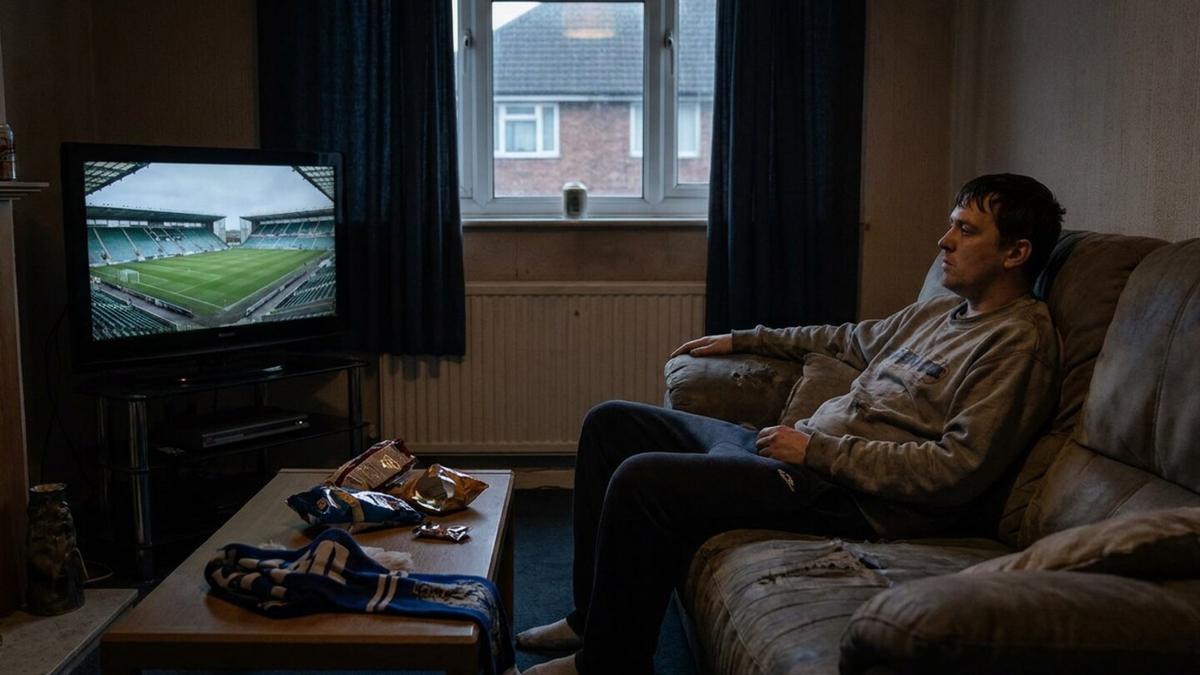
The final whistle blows. The confetti falls. Somewhere a captain lifts a trophy, and for a few glorious weeks you were part of something enormous — a global heartbeat of shared hope, groans, and celebration. Then the stadium lights dim, the group chats go quiet, and the next morning you wake up to a strange, flat feeling. The fixtures that structured your evenings are gone. The friends you texted at every goal have drifted back to their own lives. And you find yourself asking a question that feels almost embarrassing: why do I feel so empty over a football tournament?
If that is you right now, in the days after the 2026 FIFA World Cup, please hear this first: you are not being dramatic, and there is nothing wrong with you. What you are feeling has a name, a psychology, and a well-documented pattern. The "post-World-Cup blues" is a real emotional comedown, and it happens to millions of people at once. This article walks you through why the letdown hits so hard, who tends to feel it most, how it can overlap with lower moods you were already carrying, and — most importantly — what you can gently do to ease the descent and hold on to the good parts.
What the Post-Event Blues Actually Are
Psychologists sometimes call it "post-event depression," "the anticlimax effect," or the "letdown effect." You will hear the same story from people after a wedding they spent a year planning, a holiday abroad, graduation, a long-awaited concert, or the end of a beloved TV series. A big, meaningful event fills your days with anticipation and structure. When it ends, all of that scaffolding is pulled away at once — and the contrast between the high and the ordinary can feel like a small grief.
A major tournament is one of the most intense versions of this. It is not a single event but a month of them, stacked back to back, each with its own build-up and payoff. Your brain gets used to a daily rhythm of anticipation and reward. When the World Cup ends, that rhythm doesn't taper off gently. It stops. And a sudden stop, even to something joyful, leaves a real void behind.
It is a comedown, not a character flaw
One of the cruelest parts of the post-event blues is the shame that often rides alongside it. You might tell yourself you have no right to feel low over a game, especially when nothing "bad" has happened. But your emotions are not measuring the objective importance of the event. They are responding to loss — the loss of routine, of shared excitement, of a reason to gather. That loss is real regardless of whether the trigger was a funeral or a football final. Naming it accurately is the first step to being kinder to yourself about it.
Why the Letdown Hits So Hard
The emptiness after a tournament isn't one single thing. It's several separate losses arriving together, each pulling at a different part of your wellbeing. Understanding them individually makes the whole experience far less mysterious — and far easier to address.
You lose a daily ritual and a sense of structure
For a month, your evenings had a shape. Maybe you knew that at eight o'clock you would be on the sofa, or at the pub, or on a video call with your brother in another city. Human beings are creatures of rhythm, and predictable routines are quietly protective for mental health — they reduce the number of small decisions we have to make and give the day an anchor. When that anchor disappears overnight, the open, unstructured evenings that follow can feel less like freedom and more like a kind of emptiness. You are not bored. You are ungrounded.
You lose a shared sense of purpose
During the tournament, you belonged to something. You had a team, a story you were following, a collective "we." Being part of a group striving toward an outcome gives us a low-grade but genuine sense of purpose and identity. Suddenly that shared project is finished. There is nothing left to hope for together, no next match to look forward to. The absence of that forward-pull can leave you feeling oddly aimless, as if something that was pointing you at tomorrow has switched off.
You lose the social connection
Perhaps the biggest hit of all. Big tournaments are permission slips to be social. They give shy people a reason to gather, distant friends a reason to text, strangers in a bar a reason to hug. For a few weeks the barriers to human contact drop, and connection flows easily. When the tournament ends, those bridges close again — and you may only realize afterward how much they were holding up your mood. The quiet that follows can shade quickly into loneliness, especially if the World Cup was one of your main sources of regular contact with others. If that resonates, it's worth understanding how deeply linked isolation and low mood really are; our guide on anxiety and loneliness unpacks that connection with care.
Your brain's reward system takes a dip
There is a neurological layer underneath all of this, and it centers on dopamine — the brain chemical involved in anticipation and reward. Contrary to popular belief, dopamine is less about the pleasure of a goal being scored and more about the wanting, the anticipation, the "what happens next." A tournament is a near-perfect dopamine machine: constant uncertainty, stakes, and payoff, delivered on a reliable schedule for weeks. Your reward system adapts to that elevated, steady stimulation. When the source disappears, the system doesn't instantly reset — it dips below your ordinary baseline for a while, and everyday life can feel muted, grey, and low on sparkle by comparison. This is the same mechanism behind the flatness people describe after any prolonged period of heightened excitement.
Who Feels the Post-Tournament Blues Most
Not everyone experiences this the same way. Some people fold up the scarf and move on by Tuesday. Others feel the drop for a week or two. A few knowledge of the pattern helps you predict — and prepare for — how hard it might land for you.
People for whom the tournament filled a real gap
If watching was your main social outlet, your reliable evening ritual, or a welcome distraction from something stressful in your ordinary life, then the ending removes something that was actively doing a job for you. The blues tend to be proportional to how much the event was quietly holding up. When a big absorbing thing ends, whatever it was covering — a lonely stretch, a tough patch at work, a difficult relationship — comes back into full view. If work stress was part of what you were escaping, you may find it hits harder now; our piece on work stress offers grounded ways to manage that return.
People already carrying low mood or anxiety
If you were already living with a baseline of anxiety or depression, a big communal high can act like a temporary lift — and the comedown can drop you lower than your starting point. This is important to understand rather than fear: the tournament didn't cause your low mood, but its ending may have removed a support you didn't fully register you were leaning on. Recognizing the difference between a passing comedown and a deeper pattern matters, because they call for different responses.
Highly engaged, emotionally invested fans
The more of yourself you poured in — the more matches you watched, the more your identity fused with a team, the more your emotions rode every result — the bigger the withdrawal. Deep investment is not a bad thing; it's what made the experience meaningful. But it does mean the drop-off is steeper, in the same way a longer holiday can make the return to work feel harder.
How the Blues Can Overlap With Something Deeper
For most people, the post-tournament blues are a short-lived comedown that lifts within a week or two as new routines fill the space. But it's worth being honest about where the line sits, because the same symptoms — low mood, flatness, loss of interest, social withdrawal, disrupted sleep — can belong to something that needs more attention.
When it's a comedown, and when it's more
A normal comedown tends to be tied specifically to the ending, softens as the days pass, and coexists with your ability to still enjoy other things. If, instead, the low mood lingers for more than two weeks, spreads to everything (not just the empty evenings), steals your interest in activities you normally love, or comes with hopelessness, persistent anxiety, or thoughts that you'd be better off not here — that is no longer just the football talking. That deserves real support, whether from a trusted person, a doctor, or a mental health professional.
Anxiety and depression frequently travel together and feed each other, and the low that follows a big high can be where that overlap becomes visible. If you want to understand how the two interact, the relationship between anxiety and depression explains it clearly and without alarm.
When the symptoms start to overwhelm
Sometimes the comedown arrives alongside a sense that everything is suddenly too much — that you can't identify why you feel so raw, why small tasks feel enormous, why your body feels wired and drained at once. That flooded feeling is worth taking seriously rather than pushing through. If you recognize it, our guide on feeling overwhelmed by anxiety symptoms can help you make sense of what's happening in your body and mind.
Practical Ways to Ease the Comedown
Here is the reassuring part: because the post-event blues are built from specific, identifiable losses, they respond well to specific, gentle actions. You don't need to force yourself to "get over it." You need to consciously rebuild the small things the tournament was quietly providing — structure, connection, anticipation, and a manageable pace of stimulation.
Rebuild a light structure into your evenings
The vacuum in your calendar is one of the loudest parts of the comedown. You don't need to fill every hour, but giving a few evenings a soft anchor helps enormously. Sign up for a weekly class, plan a standing walk, start a series you'll watch on a set night, or pick two evenings for something you've been meaning to do. The goal isn't productivity. It's replacing the reliable rhythm your brain got used to, so the openness feels chosen rather than imposed.
Keep the connections alive on purpose
The friendships and contact the tournament made easy don't have to end with it. This is the single most valuable thing you can do. Message the people you watched with — not to talk about football, just to keep the thread warm. Suggest meeting for the reason you actually enjoyed: the company. The tournament was the excuse; the connection was the point. Make a small, deliberate effort now to carry that connection past the final whistle, because loneliness is one of the heaviest ingredients in the blues, and it is also one of the most fixable.
Give your brain a gentler source of anticipation
Part of what you're missing is having something to look forward to. You can rebuild that on a smaller, healthier scale. Plan a trip, book tickets to something, start a hobby with a visible arc of progress, or set a modest goal with milestones. Anticipation is nourishing to the reward system; you're simply feeding it a steadier, more sustainable diet than the tournament's constant high.
Move your body and protect your sleep
Late nights, extra drinks, and disrupted routines are common during a tournament, and the crash afterward is partly physical. Gentle, regular movement is one of the most reliable mood-lifters we have, and it helps reset the dopamine system naturally. Pair it with getting your sleep back on track, and you remove two of the biggest amplifiers of the emotional dip.
Let yourself feel it without judgment
Finally, resist the urge to shame yourself out of the feeling. Acknowledging "I feel a bit flat because something I loved has ended" is not self-indulgence — it's accurate, and accuracy is calming. The blues pass faster when you stop fighting the fact that they're there. Treat yourself the way you'd treat a friend who admitted the same thing: with warmth, not a lecture.
How AI Support Can Help
Rebuilding routine and connection is simple to describe and genuinely hard to do alone, especially in that first quiet week when motivation is low and the evenings feel long. This is where having something in your corner — available whenever the flatness hits, without judgment and without needing an appointment — can make a real difference.
Dzeny is an AI-powered mental health companion built for exactly these moments. When you feel the comedown at eleven at night and there's no one to text, Dzeny is there to talk it through with you — to help you name what you're feeling, gently reframe the shame around it, and turn "I feel empty and I don't know why" into a small, doable next step. It can help you build the light structure back into your days, prompt you to reach out to the people you've been meaning to message, and check in on how your mood is trending over the weeks that follow, so a passing comedown doesn't quietly deepen into something more without you noticing.
This isn't a gimmick. In a clinical study with Synergy University Dubai, 280 adults over 8 weeks showed a 43% reduction in anxiety symptoms. And you wouldn't be doing this alone in another sense either — more than 48,000 people use Dzeny, many of them turning to it precisely in the low, unglamorous moments between the big events, when ordinary life feels harder than it should. If the end of the tournament has left you feeling more isolated or overwhelmed than you expected, having a supportive presence to steady you can be the bridge back to your own footing.
The Bigger Picture
Step back for a moment, because there's something quietly beautiful hiding inside the post-World-Cup blues. The reason it hurts is that it worked. For a few weeks, a football tournament gave millions of people something we are often starved of in ordinary life: a shared reason to gather, a common story, a break from isolation, and a daily dose of hope. The emptiness you feel now is the shadow cast by how good the light was.
That tells you something worth carrying forward. The things you're missing — ritual, belonging, connection, anticipation — aren't football-shaped by nature. The tournament just delivered them in a concentrated, convenient package. The blues are, in a sense, your own psyche pointing at what you need more of the rest of the year. You can take that as a small map: build a little more regular connection into your ordinary weeks, keep a gentle rhythm to your days, and always have something modest to look forward to. Do that, and the next tournament won't have to carry the entire weight of your social and emotional life — and the comedown afterward will be a soft landing rather than a fall.
The letdown is temporary. The lesson underneath it — that you thrive on rhythm, purpose, and people — is worth keeping long after the confetti is swept away.
Conclusion
If you're feeling flat, aimless, or unexpectedly lonely now that the 2026 World Cup has ended, you are experiencing a real and well-understood psychological pattern, not a personal weakness. The blues come from genuine losses stacked together: the daily ritual, the shared purpose, the easy social connection, and a reward system that got used to a steady high and now has to reset. Knowing that makes the feeling smaller and more manageable.
Be gentle with yourself in the coming days. Rebuild a light structure, keep the connections warm on purpose, give yourself something new to look forward to, move your body, protect your sleep, and let yourself feel the dip without shame. For most people, that's enough, and the flatness lifts within a week or two. But if the low mood lingers, spreads, or deepens, please treat that as a signal worth acting on — reach out to someone you trust, a professional, or a companion like Dzeny that can support you through it. The tournament gave you a taste of connection and hope. The good news is that you don't have to wait four years for more of it.
Frequently Asked Questions (FAQ)
Is it normal to feel depressed after the World Cup ends?
Yes, it's very common and completely valid. What you're feeling is usually a "post-event comedown" — a real emotional letdown caused by losing the routine, excitement, and social connection the tournament provided. It doesn't mean anything is wrong with you, and for most people it eases within a week or two.
How long do the post-tournament blues usually last?
For most people, the flat, empty feeling lifts within one to two weeks as new routines and connections fill the gap the tournament left. If your low mood lasts longer than two weeks, spreads to every part of your life, or comes with hopelessness, it's worth reaching out for professional support, as it may be more than a passing comedown.
Why do I feel empty even though nothing bad happened?
Because your emotions respond to loss, not to whether an event was objectively "important." The tournament gave you daily structure, a shared sense of purpose, easy social contact, and a reliable stream of excitement. When all of that ends at once, the sudden absence registers as a genuine loss — even though the trigger was something joyful.
What does dopamine have to do with the post-World-Cup blues?
Dopamine drives anticipation and reward, and a tournament delivers a steady, weeks-long stream of both. Your brain's reward system adapts to that heightened level. When the source disappears, the system dips below your normal baseline for a while, which is why ordinary life can feel muted and grey by comparison until it resets.
Who is most likely to feel the comedown badly?
People for whom the tournament filled a real gap — a main social outlet, a reliable evening ritual, or a distraction from stress — tend to feel it most, along with highly invested fans and anyone already carrying anxiety or low mood. The bigger the role it played in your daily life, the steeper the drop when it ends.
How can I stop the loneliness after the tournament ends?
Deliberately keep the connections alive. Message the people you watched with, and suggest meeting up for the company rather than the football — the tournament was just the excuse. Building a little regular social contact back into your weeks is the single most effective thing you can do, since loneliness is one of the heaviest ingredients in the post-event blues.
When should I be worried and seek help?
Seek support if your low mood lasts more than two weeks, affects everything rather than just the empty evenings, steals your interest in things you normally enjoy, or comes with persistent anxiety, hopelessness, or thoughts that you'd be better off not here. Those are signs of something deeper than a comedown and deserve real care from a trusted person, a doctor, or a mental health professional.
Can talking to an AI companion actually help with this?
It can, particularly in the quiet moments when there's no one else to talk to. A companion like Dzeny can help you name what you're feeling, ease the shame around it, rebuild small routines, prompt you to reconnect with people, and gently track your mood over time so a passing comedown doesn't quietly deepen without you noticing.
For a structured look at how you see yourself, the Free Self-Esteem Test uses the Rosenberg scale.
Credible Sources and References
1. Wolfson, S., & Neave, N. (2007). *Coping under pressure: Cognitive strategies for maintaining confidence among soccer referees.* Journal of Sport Behavior — on the psychological intensity and emotional investment that spectator sport generates, and the comedown that follows heightened competitive engagement.
2. Salamone, J. D., & Correa, M. (2012). *The mysterious motivational functions of mesolimbic dopamine.* Neuron, 76(3), 470–485 — foundational research clarifying that dopamine drives anticipation and effort ("wanting") more than pleasure itself, underpinning why the end of a rewarding schedule produces a flat, low-motivation dip.
3. Holt-Nixon, J., Smith, T. B., & Layton, J. B. (2010). *Social Relationships and Mortality Risk: A Meta-analytic Review.* PLoS Medicine, 7(7) — landmark evidence on the powerful protective role of social connection for health and mood, and the risks that accompany its loss.
4. Nezlek, J. B., & Allen, M. R. (2006). *Social support as a moderator of day-to-day relationships between daily negative events and daily psychological well-being.* European Journal of Personality — on how the presence and withdrawal of everyday social contact shapes fluctuations in mood, relevant to the loss of communal connection after shared events.
5. Diener, E., & Seligman, M. E. P. (2002). *Very Happy People.* Psychological Science, 13(1), 81–84 — research showing that the strongest predictor of sustained wellbeing is rich, regular social relationships rather than isolated high-intensity events, reinforcing why rebuilding connection eases the post-event blues.
---
Disclaimer: This article is for informational and educational purposes only and is not a substitute for professional medical or mental health advice, diagnosis, or treatment. If you are struggling with your mental health, please reach out to a qualified professional or, if you are in crisis, contact your local emergency services or a crisis helpline.

Written by
Valentina Lipskaya
Clinical Psychologist · Gestalt Therapist · CBT Specialist · ICF Certified Coach · MBA Professor
Panic Disorder, Anxiety, CBT & Gestalt Therapy
Valentina Lipskaya is a certified clinical psychologist and gestalt therapist specializing in panic disorders, anxiety, and neurological conditions. With over 15 years in psychology and 7 years of hands-on clinical practice, she has helped more than 750+ clients overcome panic, chronic anxiety, and psychosomatic conditions — without medication. Her work at Dzeny translates evidence-based therapeutic methods into practical, accessible guidance for everyday mental health.