
Doomscrolling: Why You Can't Stop — and How to Break the Cycle
Why you cannot stop doomscrolling — the brain science, what it does to your mind and sleep, and 6 ways to break the cycle.

In this article
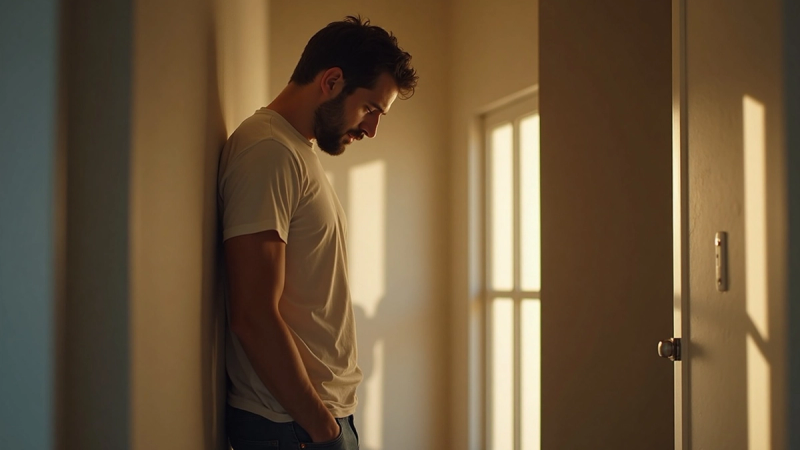
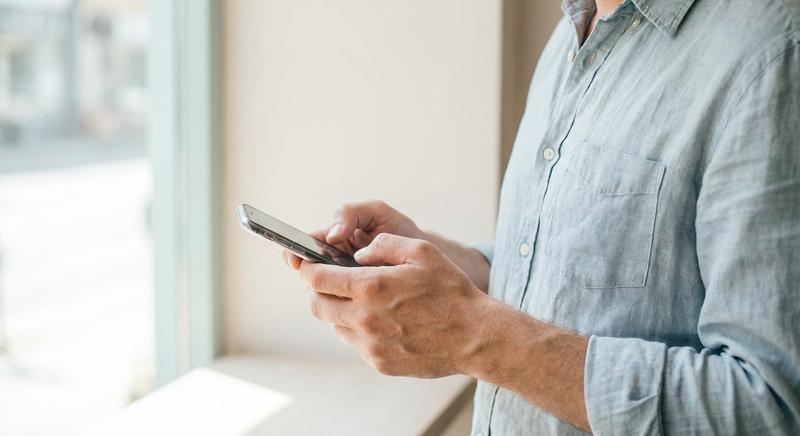
It's 1 a.m. You meant to check one thing. Forty minutes later you're still thumbing through catastrophe after catastrophe — bad news, worse news, a stranger's meltdown, another crisis — feeling anxious and wired but somehow unable to put the phone down. That's doomscrolling: the compulsive urge to keep consuming negative news and social media even though it makes you feel worse.
You're not weak or lazy for doing it. Doomscrolling hooks into deep wiring in the brain, and the platforms are engineered to keep you there. If you've ever promised yourself "just five more minutes" and then watched an hour vanish, you already know how strong that pull can be — and how little willpower alone seems to help. This article explains what doomscrolling actually does to your mind and body, why it's so hard to stop, and practical, evidence-based ways to break the loop without going off the grid entirely.
What Is Doomscrolling?
Doomscrolling (also called doomsurfing) is the habit of continuously scrolling through distressing or negative content online — news feeds, social media, comment sections — often for long stretches, and usually feeling worse for it. The term surged during the pandemic, but the behavior predates it: it's what happens when an infinite feed meets an anxious brain.
A normal habit that tips into a problem
Checking the news isn't doomscrolling. It becomes a problem when it's compulsive, hard to stop, eats into sleep or focus, and leaves you more anxious rather than more informed. The tell isn't how much you scroll — it's how you feel during and after.
A useful way to test yourself: after you close the app, are you calmer and clearer, or keyed-up and heavier? Healthy news consumption tends to leave you oriented — you know what's happening and what, if anything, you want to do about it. Doomscrolling leaves you saturated: full of dread but with nothing to act on, and often unable to remember most of what you just read.
The signs it's crossed a line
A few patterns suggest the habit has tipped from informed into compulsive:
- You reach for your phone automatically the moment there's a gap — a red light, a lull in conversation, the second you wake up.
- You keep scrolling past the point of learning anything new, refreshing the same feed for updates that aren't there.
- You feel a low hum of unease while doing it, but stopping feels almost physically hard.
- You lose track of time, then feel worse about the lost time on top of the original anxiety.
None of these mean something is wrong with you. They mean the design is working exactly as intended — on a brain that was never built for an infinite feed.
Why Your Brain Gets Hooked
The negativity bias
The human brain evolved to prioritize threats — noticing danger kept our ancestors alive. So bad news grabs attention harder than good news. Doomscrolling hijacks this ancient survival wiring: each alarming headline feels urgent and important, so you keep going.
Consider how differently two headlines land. "New park opens downtown" barely registers. "Warning issued after nearby incident" makes your stomach drop and your eyes lock in. That asymmetry isn't a character flaw — it's biology. A brain that treated threats and pleasantries as equally important would have been a poorly adapted brain a hundred thousand years ago. The problem is that the threat detector can't tell the difference between a danger you can act on and a distant crisis you can only witness. It fires either way, and the feed knows it.
The dopamine and uncertainty loop
Infinite feeds work like slot machines. You never know what the next swipe will bring, and that unpredictability triggers dopamine — the brain's "seeking" chemical. You're not scrolling because it feels good; you're scrolling because your brain is chasing resolution it never quite gets.
This is the part people most often misunderstand about themselves. Dopamine isn't the chemistry of reward so much as the chemistry of *anticipation* — the itch, not the scratch. That's why doomscrolling can feel joyless and compulsive at the same time. Each swipe is a small bet, and the occasional relevant post keeps you hooked, exactly the way an occasional payout keeps someone at the slot machine. The variable, unpredictable reward is far stickier than a reliable one would be.
Anxiety's false promise of control
When the world feels scary, gathering more information *feels* like doing something. The mind whispers, "If I just understand the threat, I'll be safe." But with global bad news, there's no resolution — so the search never ends, and it quietly fuels the overwhelm of anxiety instead of relieving it.
There's a specific mental trait underneath this: intolerance of uncertainty. If not-knowing feels unbearable, the brain treats endless information-gathering as a solution. But most of what doomscrolling delivers is uncertainty dressed up as knowledge — speculation, hot takes, unconfirmed reports, worst-case predictions. You don't come away more certain; you come away with more open loops. And because none of them close, the anxious mind keeps returning to the feed to try again.
What Doomscrolling Does to You
Mental health effects
- Heightened anxiety, dread, and a sense of impending threat
- Low mood and hopelessness ("the world is falling apart")
- Rumination — replaying worst-case scenarios on loop
- Emotional numbness or compassion fatigue over time
Research links heavy negative-news consumption with higher anxiety and depressive symptoms, and the two often feed each other — anxiety and depression are closely connected.
It helps to notice how these effects layer over days and weeks, not just minutes. A single tense scroll before bed is uncomfortable but recoverable. A nightly habit slowly recalibrates your baseline: the world starts to feel more dangerous than it actually is, other people start to seem more hostile, and your default emotional setting drifts toward dread. This is sometimes called "mean world syndrome" — the more distressing content you consume, the more threatening you perceive everyday life to be, even when your own circumstances haven't changed at all.
Physical and sleep effects
Late-night scrolling spikes alertness exactly when your body should be winding down. Blue light and emotional arousal delay sleep, and poor sleep raises anxiety the next day — a self-reinforcing loop. Many people also notice tension headaches, a racing heart, or a tight chest while scrolling.
The sleep piece deserves special attention because it's where the loop tightens hardest. Emotional arousal is a far bigger sleep-wrecker than blue light alone. When you read something alarming at midnight, your body responds as if the threat were in the room — a small surge of stress hormones, a faster pulse, a mind that won't settle. That physiological state is the opposite of what sleep onset requires. Then the shortened, lower-quality sleep leaves you more emotionally reactive the next day, which lowers your resistance to the next scroll. Break the late-night episode and you often loosen the whole chain.
The loneliness trap
Doomscrolling often replaces real connection with a feed full of strangers' worst moments, which can deepen isolation. The scroll feels like company but leaves you emptier — a pattern that overlaps with how loneliness and anxiety reinforce each other.
Part of what makes this so insidious is that scrolling *impersonates* connection. You're seeing faces, reading voices, reacting to other people's lives — so a part of your brain registers it as social contact. But it's contact without reciprocity: no one is asking how you are, no one is co-regulating with you, no warmth is coming back. You get the effort of engagement with none of the nourishment. Over time that can leave you both over-stimulated and under-connected — the specific emptiness of having "spent time with people" all evening and yet talked to no one.
How to Break the Doomscrolling Cycle
Before the tactics, one reframe: the goal isn't to become a person of iron discipline who resists temptation all day. That approach usually fails, because willpower is a limited resource and the feed is available every waking second. The goal is to change your *environment and defaults* so the healthy choice takes less effort than the scroll. Every strategy below is really a way to shift that balance.
1. Name it in the moment
The simplest interrupt: notice "I'm doomscrolling right now." Awareness breaks the trance and hands control back to you. You can't stop a habit you don't catch.
Doomscrolling runs on autopilot, and naming it flips a switch from automatic to deliberate. You don't have to judge yourself or immediately stop — just narrate it: "I'm scrolling. I'm anxious. I'm looking for something that will make this feel resolved." That tiny bit of distance is often enough to ask the next question: *is this actually helping me right now?* Most of the time you already know the answer.
2. Add friction
Make the scroll harder to start. Log out of apps, move them off your home screen, use grayscale mode, or set app timers. Every extra step is a chance to choose differently.
Friction works because most doomscrolling is frictionless by design — one tap and you're in. Introduce even a few seconds of delay and you interrupt the automatic reach. Practical versions: delete the apps from your phone and use only the browser version, which is deliberately clunkier; turn on grayscale so the feed loses its candy-colored pull; keep the phone charging in another room overnight so the 3 a.m. scroll requires actually getting up. None of these rely on willpower in the moment — that's the point.
3. Set a "news window"
Decide *when* and *how long* you'll check the news — say, 15 minutes at midday — and stay out of the feed otherwise. Being informed doesn't require being immersed 24/7.
A news window turns an all-day trickle of dread into a contained, intentional check-in. Pick a time that isn't first thing in the morning or last thing at night — mid-morning or midday tends to work best, when you have the bandwidth to process what you read and the day ahead to act if you need to. Choosing a couple of trusted sources and reading them directly, rather than absorbing a random algorithmic mix, also tends to leave you genuinely informed rather than just alarmed.
4. Protect the first and last hour of the day
No feed for the first 30–60 minutes after waking or before sleep. These bookends set your nervous system's tone; guarding them pays off all day.
The morning matters because the first thing you feed your attention shapes the emotional weather of the whole day. Start with dread and you spend hours climbing out of it. The night matters for the sleep reasons above. A simple swap: use an actual alarm clock instead of your phone so the device never has to be within arm's reach of your bed. If mornings feel empty without the scroll, put something small and good in that slot instead — a glass of water, a few minutes outside, a stretch.
5. Replace, don't just remove
The scroll fills a need — to soothe, to feel less alone, to zone out. Swap in something that actually meets it: a walk, a message to a friend, a few slow breaths, a book. Removing the habit works better when something takes its place.
The trick is matching the replacement to the real need. If you scroll to *soothe*, a physiological reset works best — slow breathing, a warm shower, stepping outside. If you scroll to *feel less alone*, reach for genuine contact: text one person, call someone, sit near another human. If you scroll to *zone out*, give yourself permission to actually rest — a low-stakes show, music, a nap — instead of the fake rest that leaves you more tired. When you remove a habit without meeting the need beneath it, the need just finds the habit again.
6. Curate ruthlessly
Mute, unfollow, and block accounts that spike your dread. A feed is a choice, not a fixed reality — you're allowed to shape it toward what informs without flooding you.
Spend twenty minutes doing this deliberately and it pays off for months. Mute the accounts that reliably ratchet up your anxiety, even ones you feel obligated to follow. Unfollow outrage-farming pages. Follow a few accounts that inform without inflaming, plus a handful that are simply pleasant — the point is to make the feed net-restorative rather than net-depleting. You are not obligated to expose yourself to every crisis in real time to be a caring, informed person.
7. Understand what you're really seeking
Underneath most late-night scrolls is a wish for reassurance — some final piece of information that will let your nervous system stand down. It rarely arrives, because the feed profits from keeping you seeking. Naming the real goal ("I want to feel safe enough to rest") lets you pursue it directly, through things that actually deliver calm, rather than chasing it through an endless stream that's built to withhold it.
When to Seek Support
Consider reaching out to a professional if:
- You can't stop scrolling despite trying, and it's harming sleep, work, or relationships
- Anxiety or low mood persists beyond the screen
- You feel hopeless, panicky, or emotionally numb
- The urge feels compulsive, like other behavioral dependencies
This isn't about willpower failure — a therapist can help address the anxiety driving the habit. Often doomscrolling is a symptom sitting on top of something treatable: generalized anxiety, a rough patch of depression, or a stretch of high stress with no outlet. Treating that underlying layer tends to loosen the compulsion far more effectively than fighting the habit head-on. Asking for help here is a practical move, not an admission of defeat.
How AI Support Can Help
The urge to doomscroll spikes in specific moments — the anxious lull before sleep, the restless break, the 3 a.m. wake-up. Dzeny is a mental-health support app grounded in CBT principles, available 24/7 by voice and text. Instead of reaching for the feed, you can reach for a calmer alternative: name what you're feeling, get grounded, and interrupt the anxiety loop that fuels the scroll in the first place.
What makes this fit the problem so well is timing. The hardest moments to doomscroll your way out of are exactly the ones when no one else is awake — the middle of the night, the lonely gap in the afternoon. A tool that's there in that moment can catch the impulse before it becomes an hour. Rather than feeding the anxiety more input, it helps you do the opposite: slow your breathing, question the catastrophic thought, and give your nervous system the signal that it's safe to stand down. Over time, that becomes a new default — reaching for something that settles you instead of something that winds you up.
It's evidence-informed: in a clinical study with Synergy University Dubai, 280 adults over 8 weeks showed a 43% reduction in anxiety symptoms. Today more than 48,000 people use Dzeny for everyday support — including in exactly those moments the feed usually wins.
The Bigger Picture
Staying informed matters. Drowning in dread doesn't make you a better citizen — just a more anxious one. The goal isn't zero news; it's a relationship with information that leaves you able to act, rest, and connect. You can care about the world *and* protect your mind. In fact, doing the second is what makes the first sustainable.
There's a quiet paradox worth sitting with: the more depleted and anxious you are, the less you can actually do about the things you care about. An exhausted, dread-saturated person doesn't volunteer, donate, vote, or show up for the people around them any better than a rested one — usually worse. Protecting your attention isn't withdrawal from the world. It's what keeps you resourced enough to engage with it for the long haul.
Conclusion
Doomscrolling is a trap built from ancient brain wiring and modern app design — not a personal failing. It amplifies anxiety, wrecks sleep, and deepens isolation while promising a control it can't deliver. The way out isn't shame or a total digital detox; it's small, repeatable changes: catch it, add friction, set limits, replace it, and curate your feed. And if the anxiety underneath won't let go, support helps. Your attention is yours — you're allowed to take it back.
Start with one change tonight, not all six. Move the phone across the room, or pick a single account to mute, or decide on tomorrow's news window before you sleep. Small, kept promises to yourself rebuild the sense that you're in charge of your attention — which, in the end, is the very thing doomscrolling quietly takes away.
Frequently Asked Questions (FAQ)
What is doomscrolling in simple terms?
It's compulsively scrolling through negative news and social media even though it makes you feel worse. It's driven by the brain's threat-focus and by feeds designed to be endless.
Why is doomscrolling so addictive?
Bad news grips our survival-tuned attention, and infinite feeds deliver unpredictable rewards that trigger dopamine. Anxiety adds fuel: gathering information *feels* like gaining control, so the search never stops.
Is doomscrolling bad for mental health?
Yes. Heavy negative-news consumption is linked to more anxiety, low mood, rumination, and disrupted sleep, and these effects reinforce one another over time. Over weeks it can even shift your baseline sense of how dangerous the world is.
How do I stop doomscrolling?
Catch yourself in the act, add friction (log out, app timers, grayscale), set a fixed news window, protect the first and last hour of your day, replace the habit with something soothing, and curate your feed by muting dread-inducing accounts. Start with one change rather than all of them at once.
Why do I doomscroll at night specifically?
Nighttime removes distractions and lowers your defenses, so accumulated anxiety surfaces just as you're trying to wind down. The feed offers a way to "do something" about that unease — but it raises alertness exactly when you need it to drop, which is why late-night scrolling wrecks sleep so reliably.
When should I get professional help for doomscrolling?
If you can't stop despite trying, it harms your sleep, work, or relationships, or the anxiety and low mood persist off-screen — a therapist or a support tool can help address the anxiety underneath.
Can an app like Dzeny help?
Yes. Dzeny is available 24/7 and helps in the moments the urge spikes — naming the feeling, grounding you, and interrupting the anxiety loop that drives the scroll, using CBT-based techniques.
If you want a clearer read on where your anxiety sits right now, our Free Anxiety Test takes a couple of minutes and needs no sign-up.
Credible Sources and References
- American Psychological Association (APA) — resources on stress, media consumption, and the negativity bias.
- Rozado, D. et al. (2022). Longitudinal analysis of sentiment in news media. *(negativity in news trends).*
- Ohme, J. et al. (2023). News consumption and well-being. *Journal of communication research.*
- World Health Organization (WHO) — guidance on stress and mental well-being.
- Newman, M. G. et al. — research on worry, intolerance of uncertainty, and anxiety.
Disclaimer: This article is for informational and educational purposes only and is not a substitute for professional advice. If you are struggling, please reach out to a licensed mental-health professional.

Written by
Valentina Lipskaya
Clinical Psychologist · Gestalt Therapist · CBT Specialist · ICF Certified Coach · MBA Professor
Panic Disorder, Anxiety, CBT & Gestalt Therapy
Valentina Lipskaya is a certified clinical psychologist and gestalt therapist specializing in panic disorders, anxiety, and neurological conditions. With over 15 years in psychology and 7 years of hands-on clinical practice, she has helped more than 750+ clients overcome panic, chronic anxiety, and psychosomatic conditions — without medication. Her work at Dzeny translates evidence-based therapeutic methods into practical, accessible guidance for everyday mental health.